Future Teachers in Action – International Erasmus+ BIP Project at the University of Applied Sciences in Nysa with Visits to a Primary School, Kindergarten, and Social Care Centre
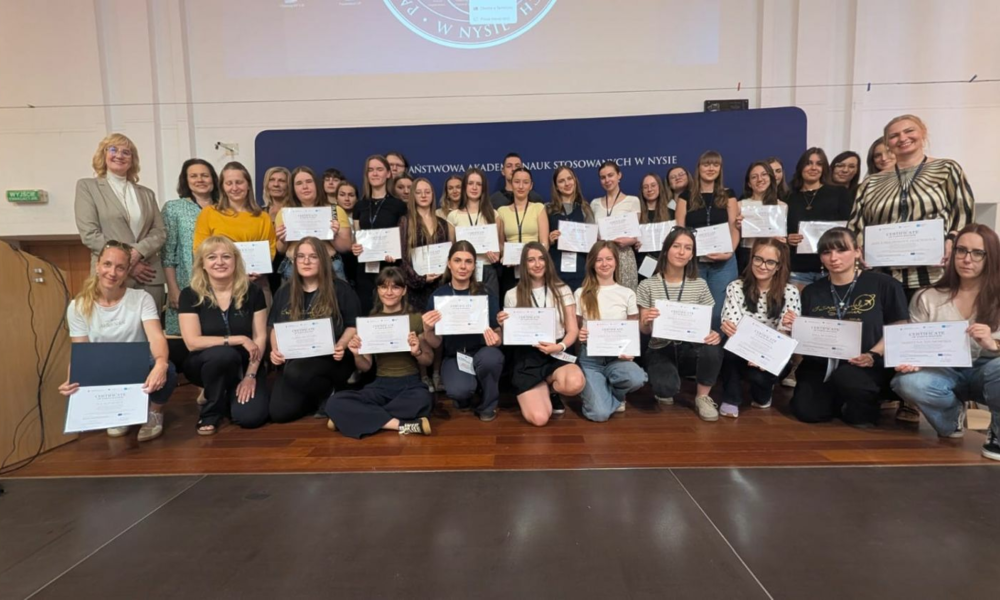
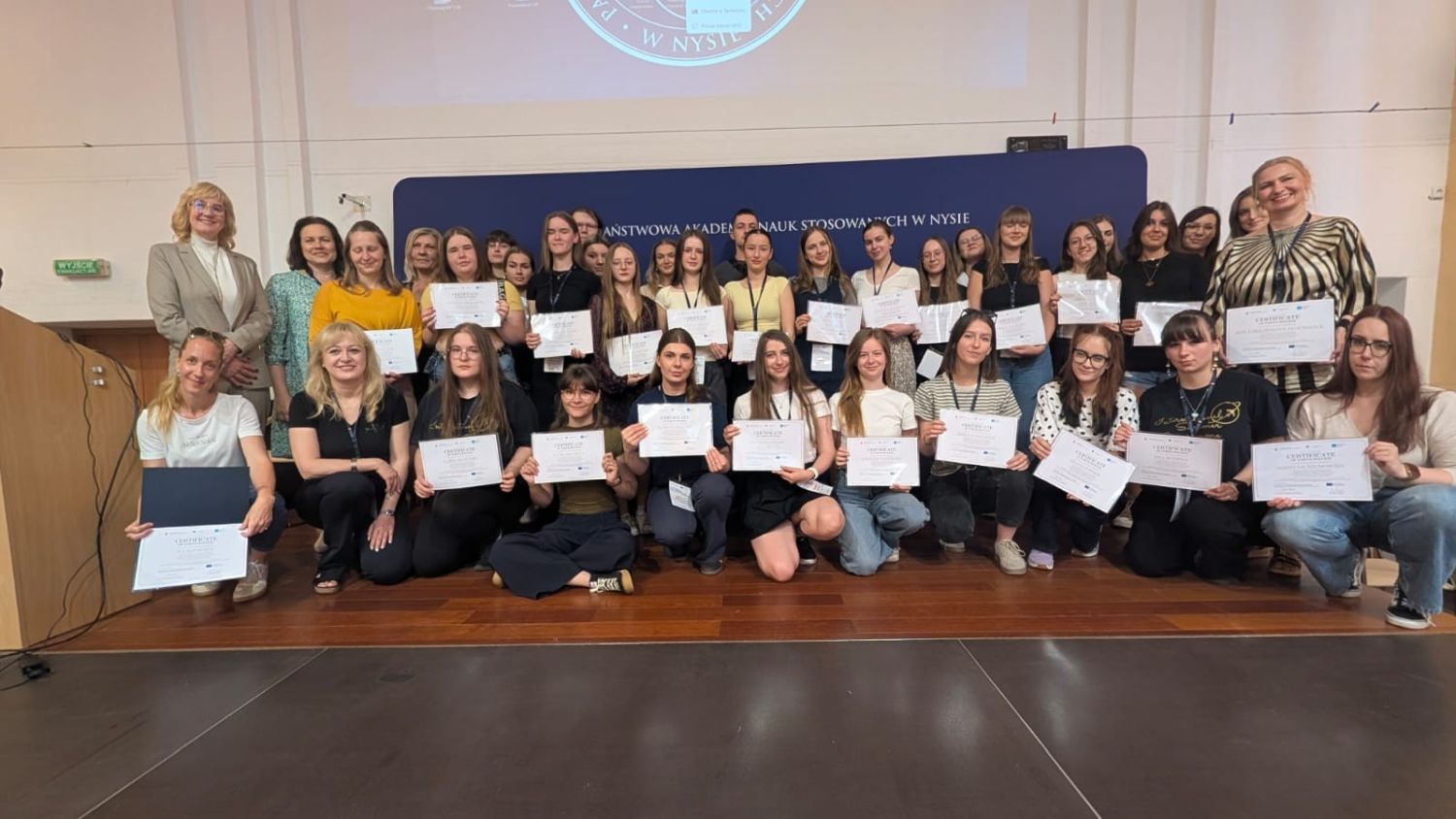
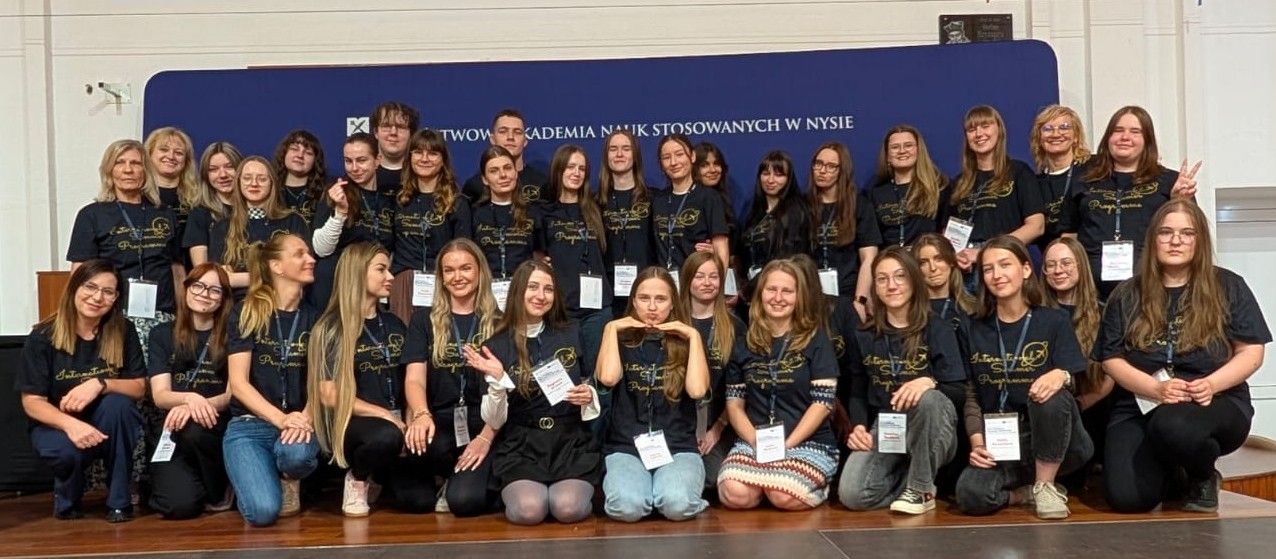
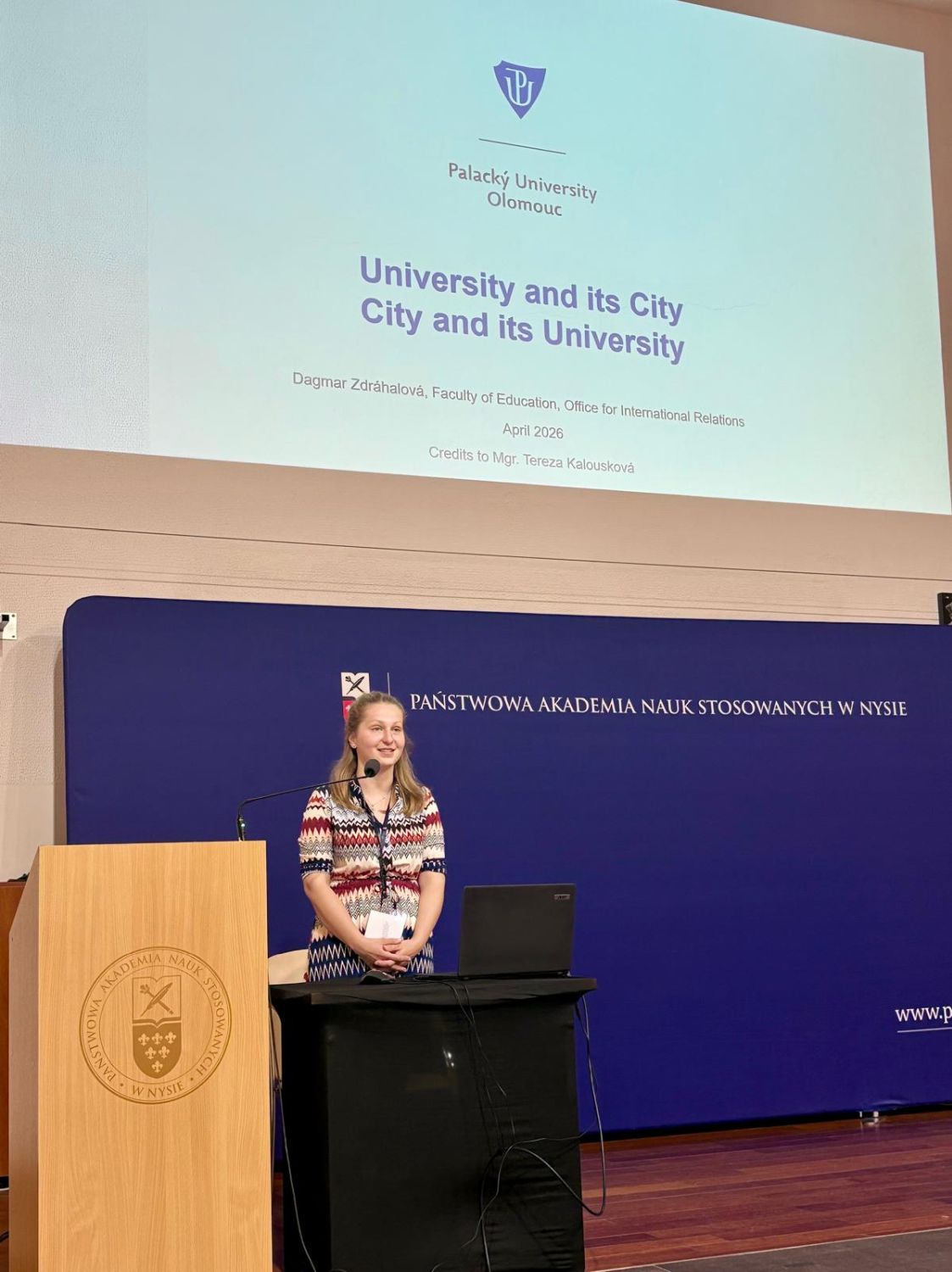
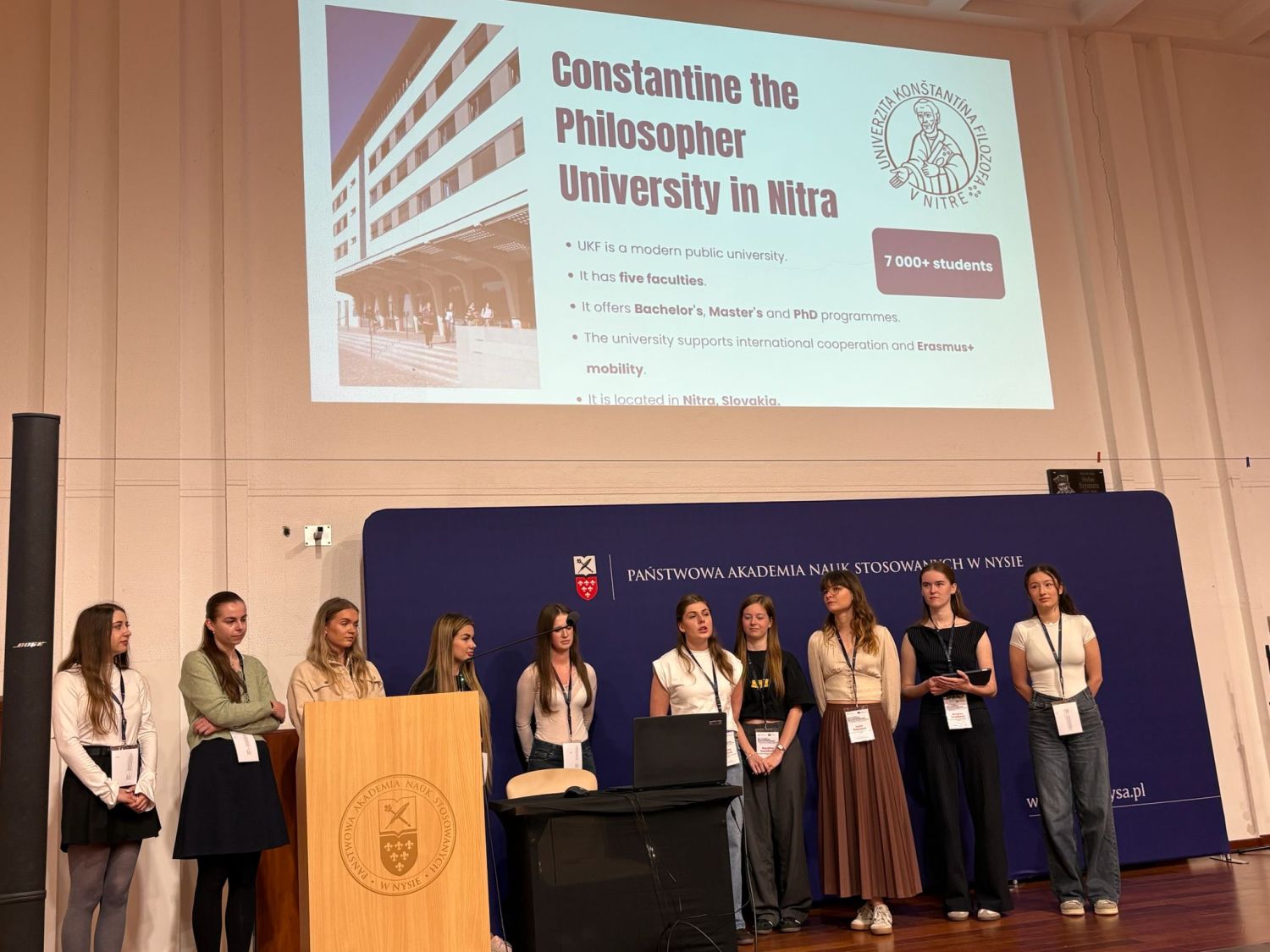
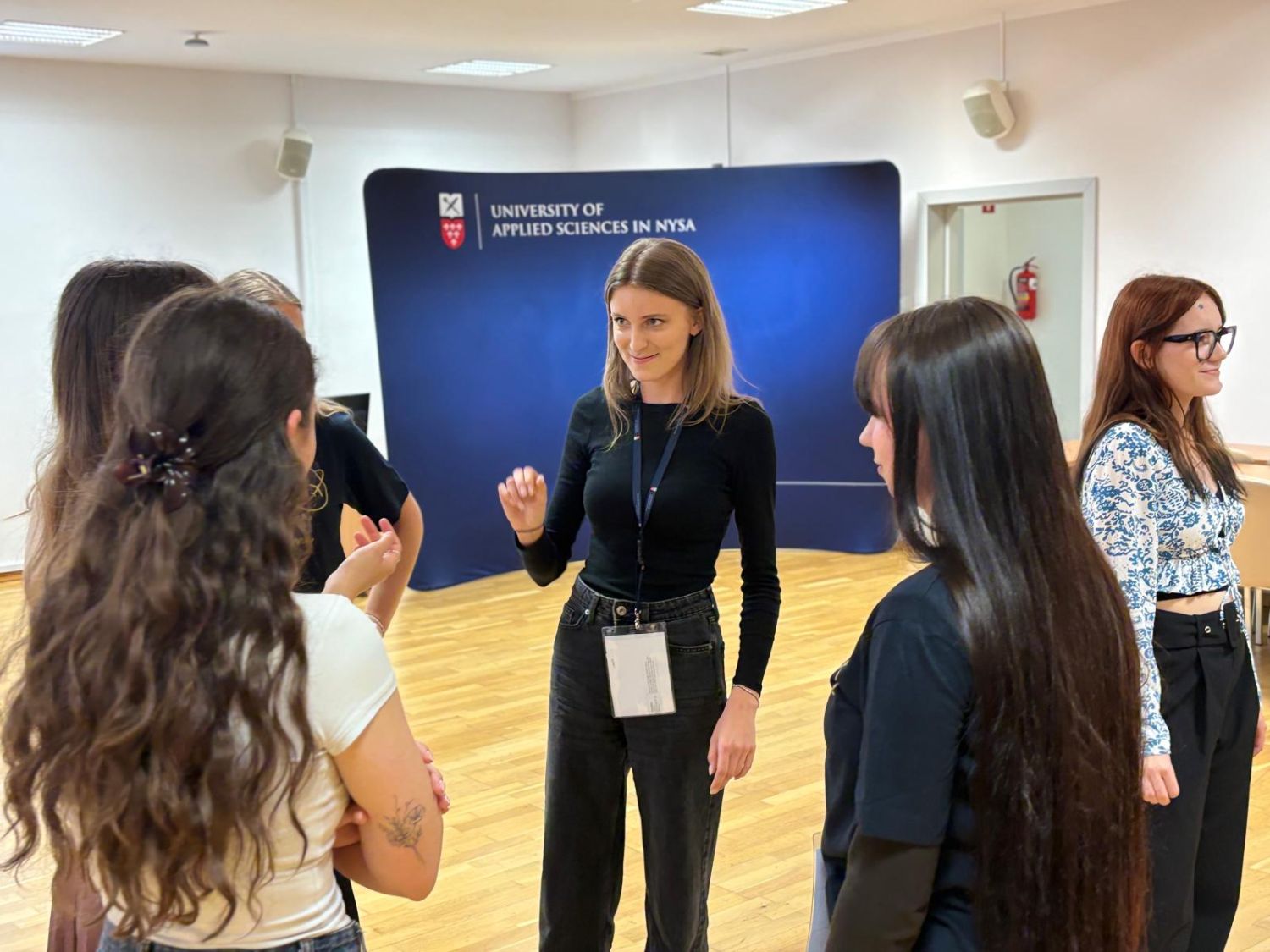
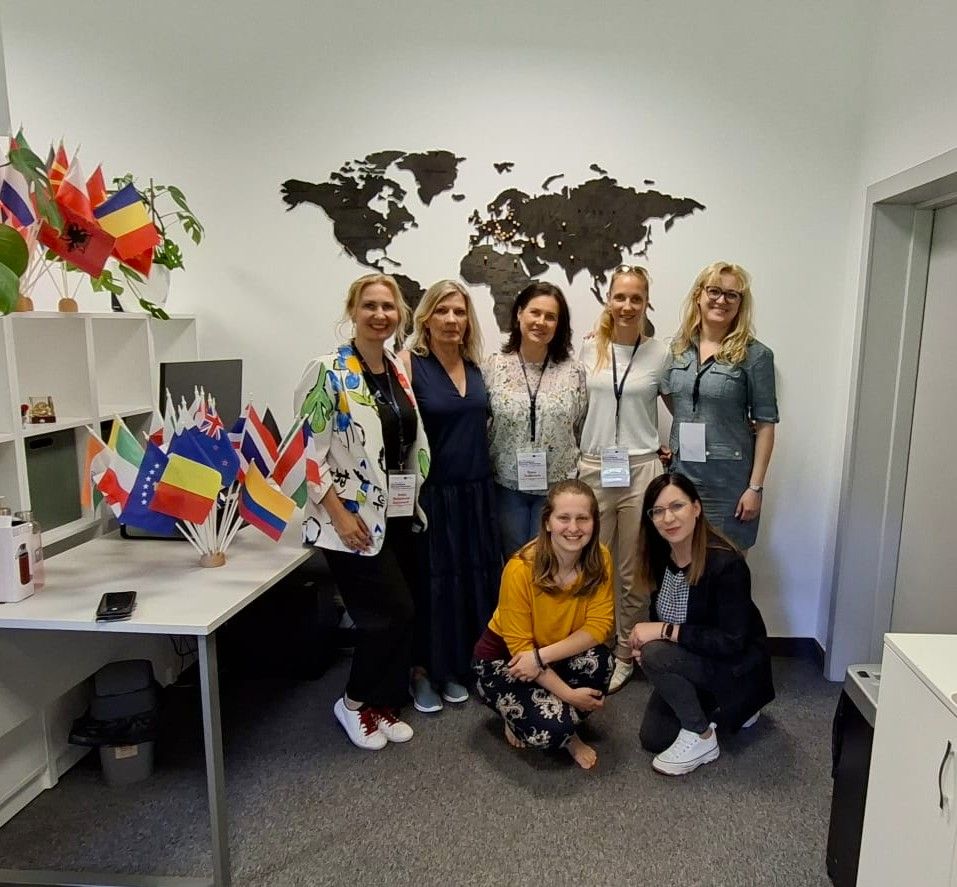
From 5 to 9 June 2026, the University of Applied Sciences in Nysa implemented an international Blended Intensive Programme (BIP) entitled “Early Childhood Education Workshops: Designing Inclusive Activities for Social Clubs”, funded by the Erasmus+ programme. The project also included virtual meetings, which complemented the in-person activities. The initiative was coordinated by the Faculty of Education of the University of Applied Sciences in Nysa. The programme brought together students from the University of Applied Sciences in Nysa studying Pedagogy and English Philology (teacher training specialisation), as well as participants from partner universities: Palacký University Olomouc in the Czech Republic and Constantine the Philosopher University in Nitra, Slovakia.
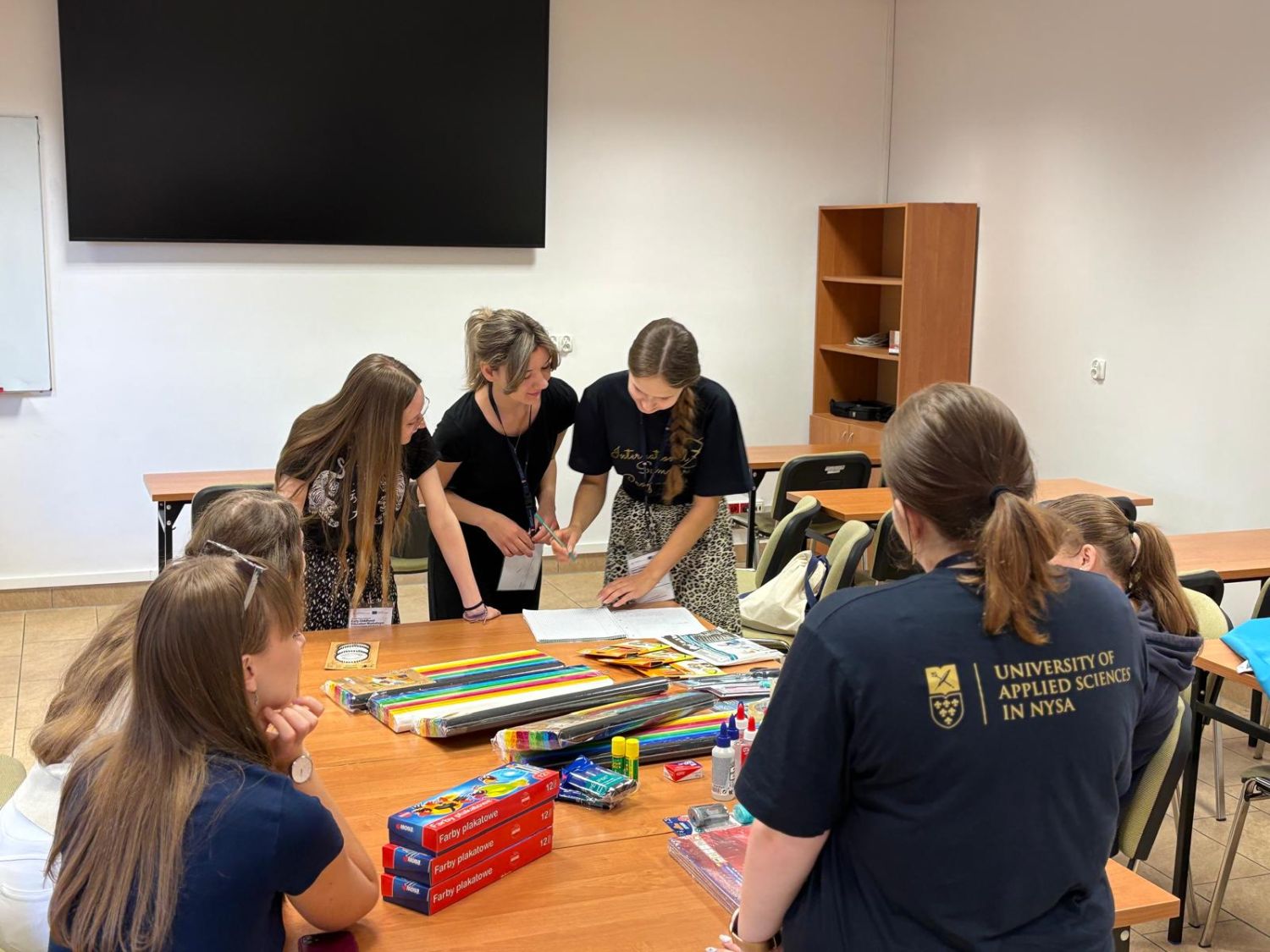
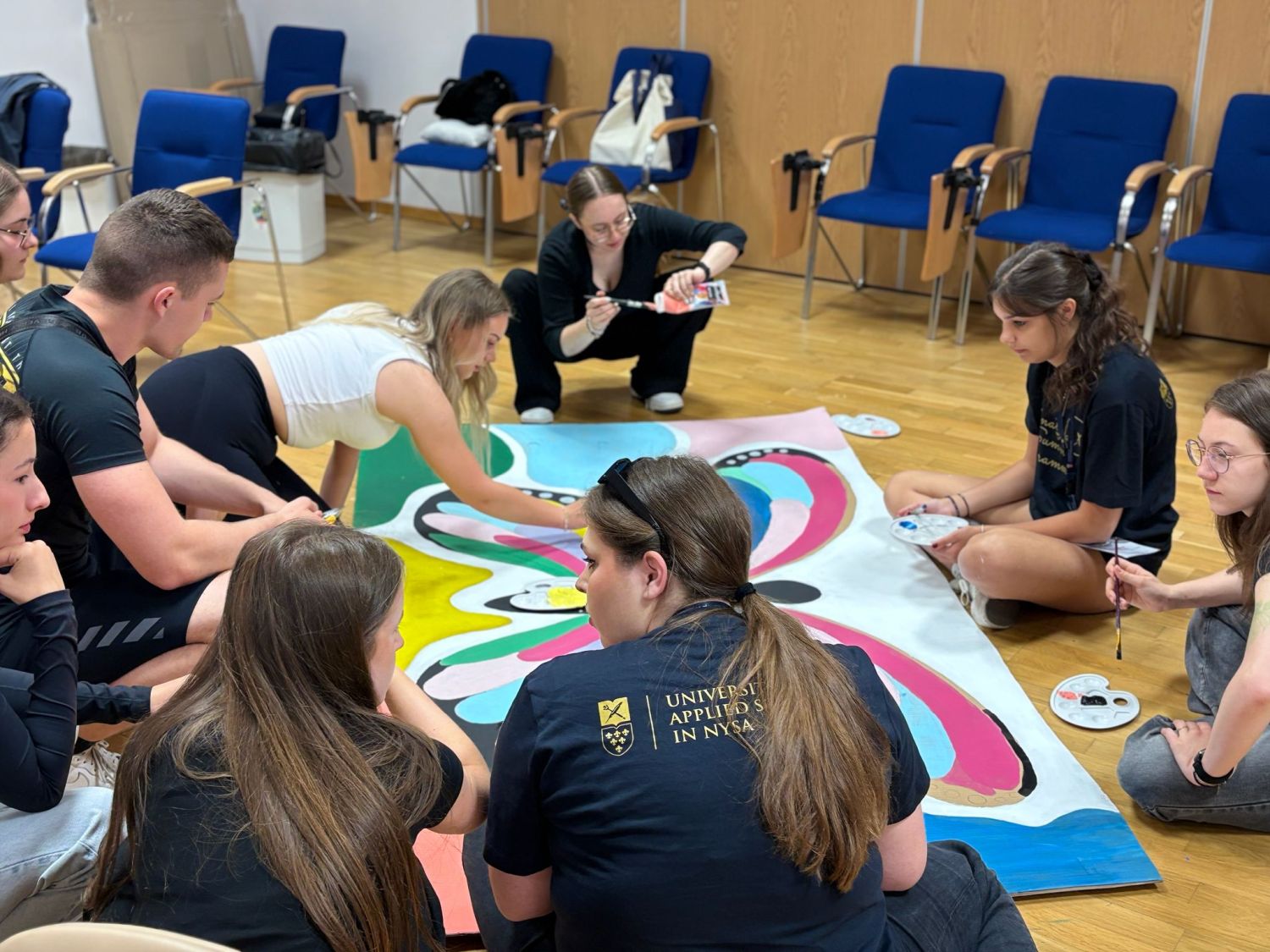
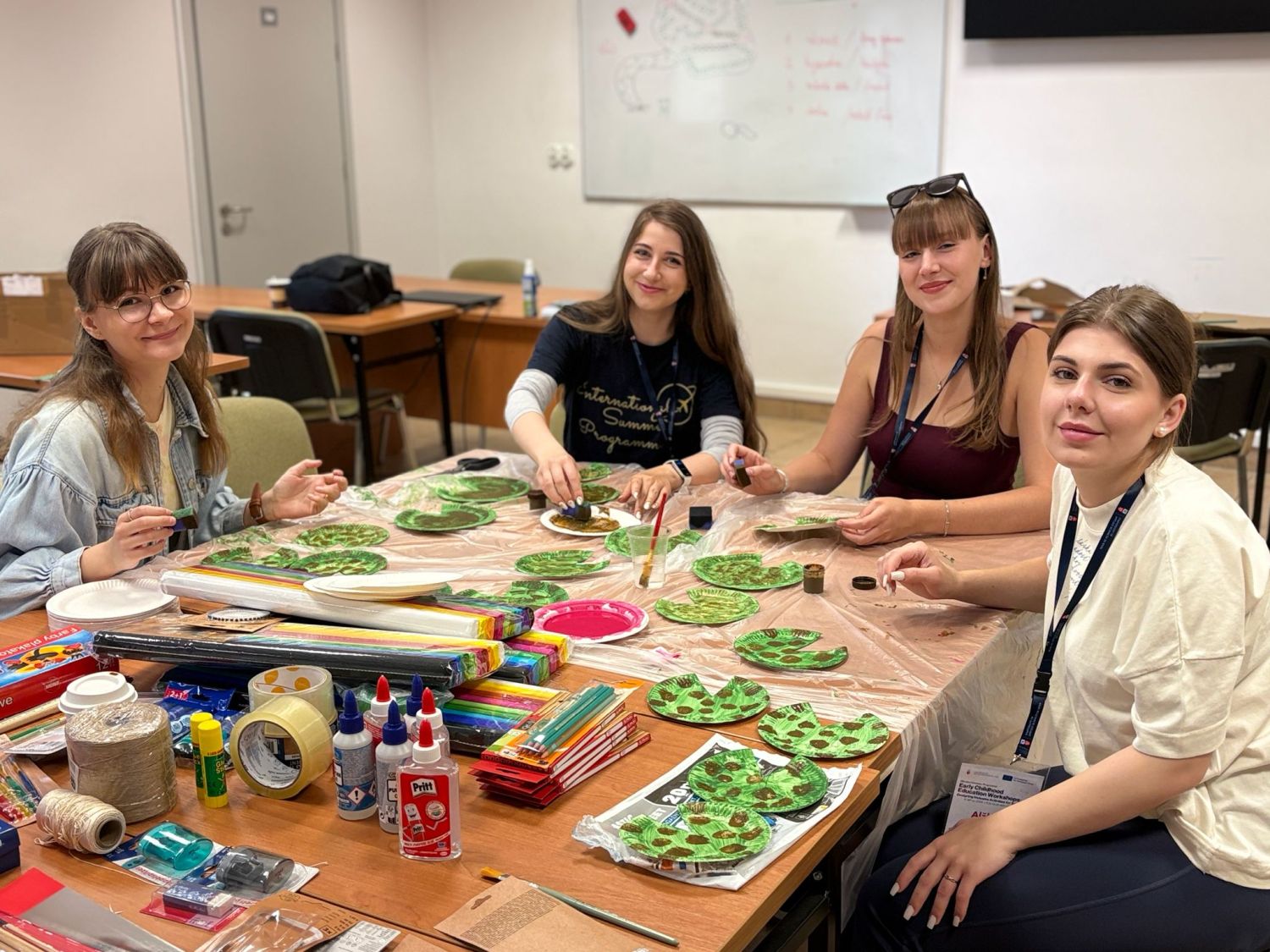
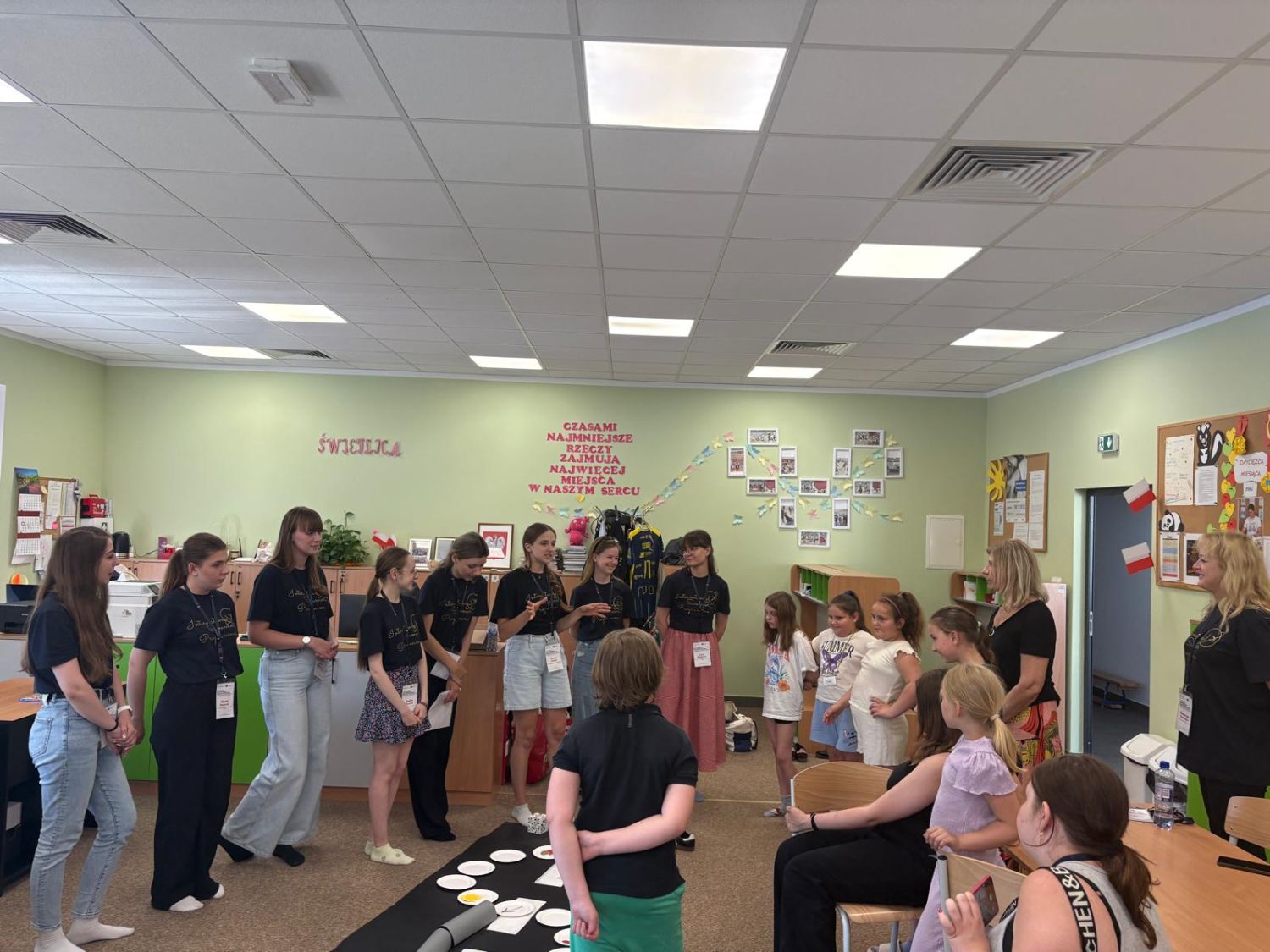
The programme was aimed at first- and second-cycle students preparing for a career in teaching and pedagogy. Its main objective was to develop competences necessary for designing and implementing inclusive educational activities for preschool and early school-age children. Particular emphasis was placed on preparing future educators to work with groups diverse in terms of educational needs, developmental abilities, and social backgrounds. The programme was based on modern teaching methods such as learning by doing, project work, scenario-based learning, case study analysis, and collaboration in international teams. Participants began with online preparatory sessions, during which they became familiar with the programme assumptions, principles of inclusive education, and the specifics of working with children with special educational needs. During their stay in Nysa, students worked in international groups to develop original lesson scenarios. The designed activities combined engaging science content, active teaching methods, and solutions supporting accessibility and participation for all children. The outputs included educational games, worksheets, research tasks, and activities developing cooperation, creativity, and social skills among young learners.
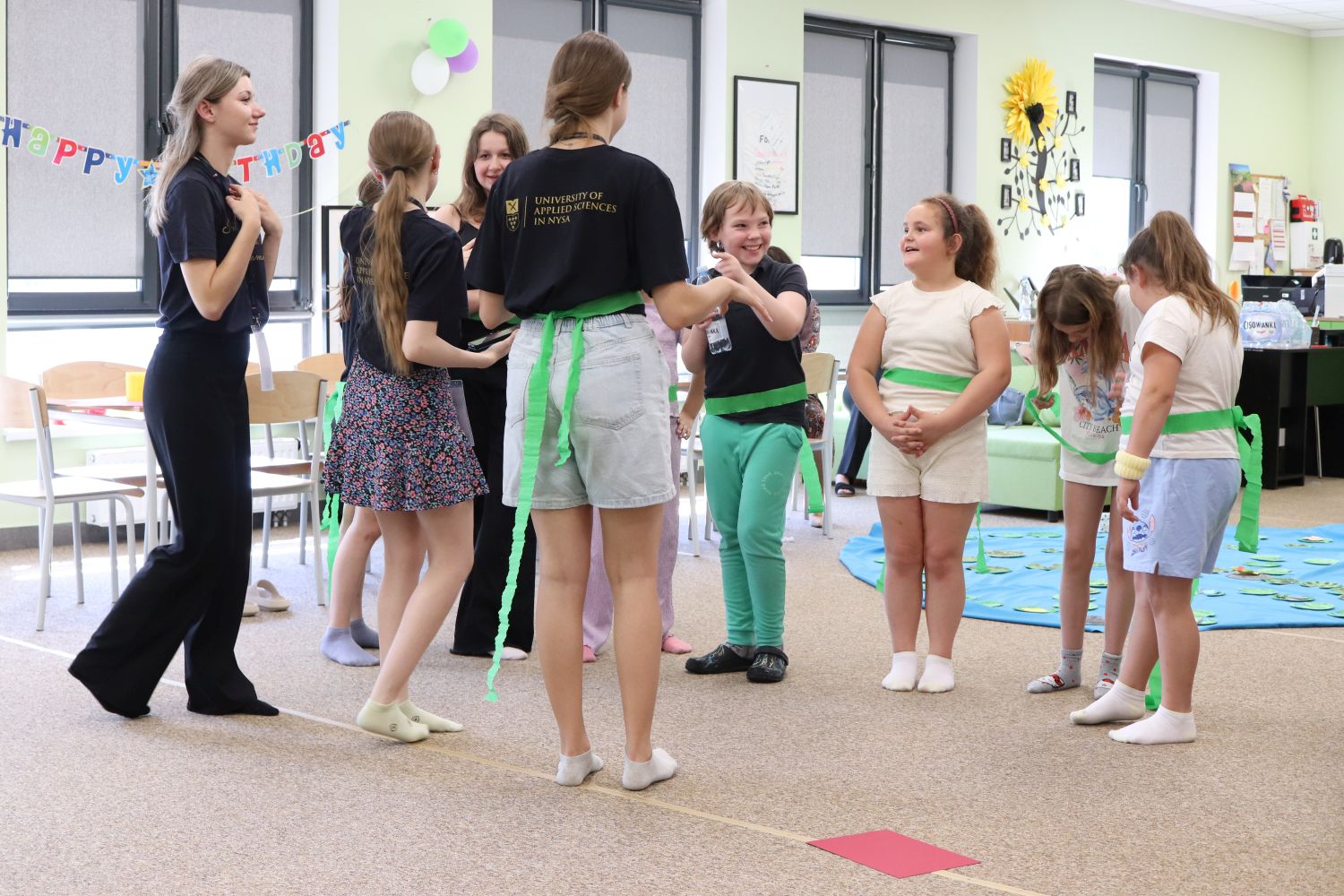
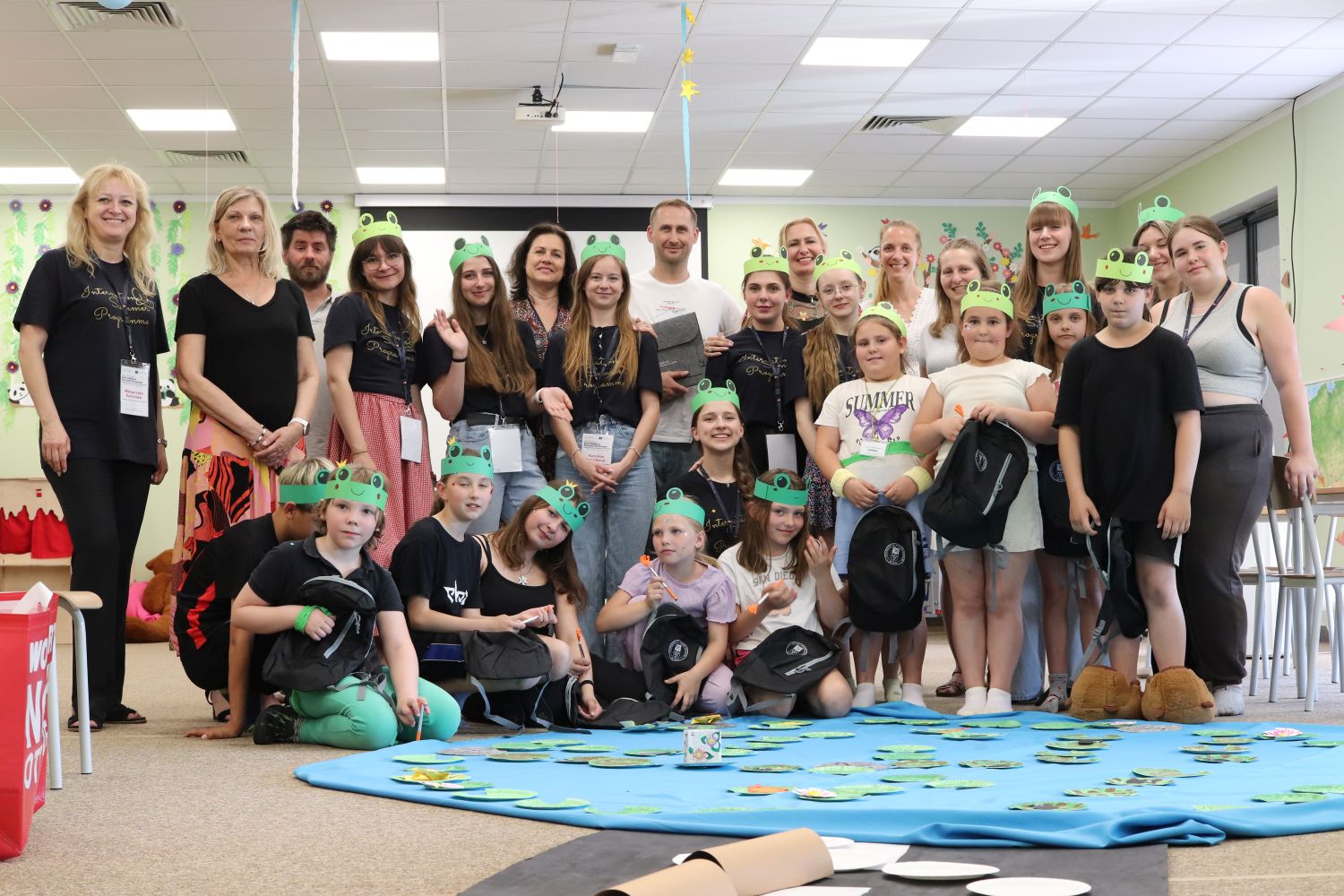
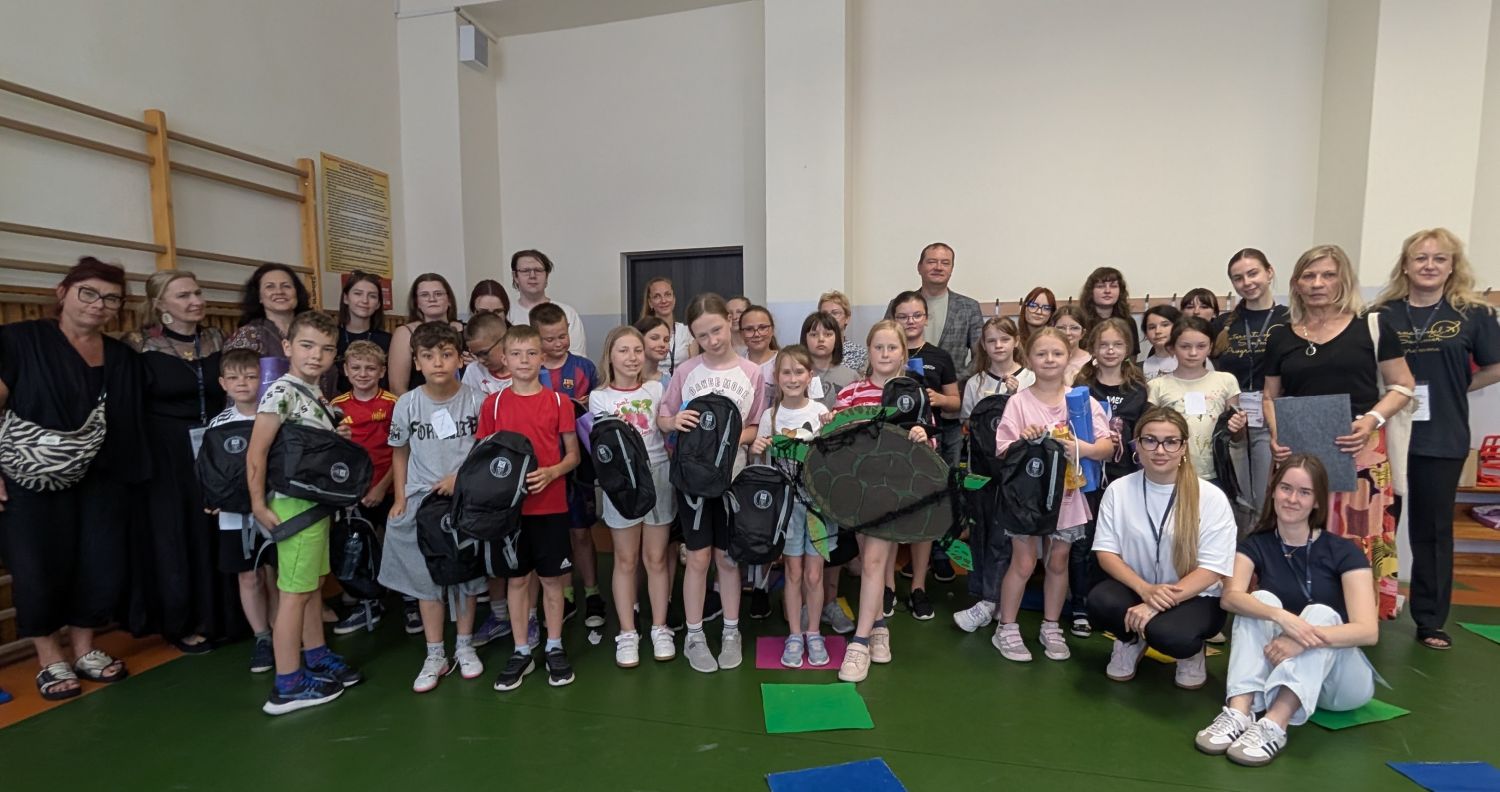
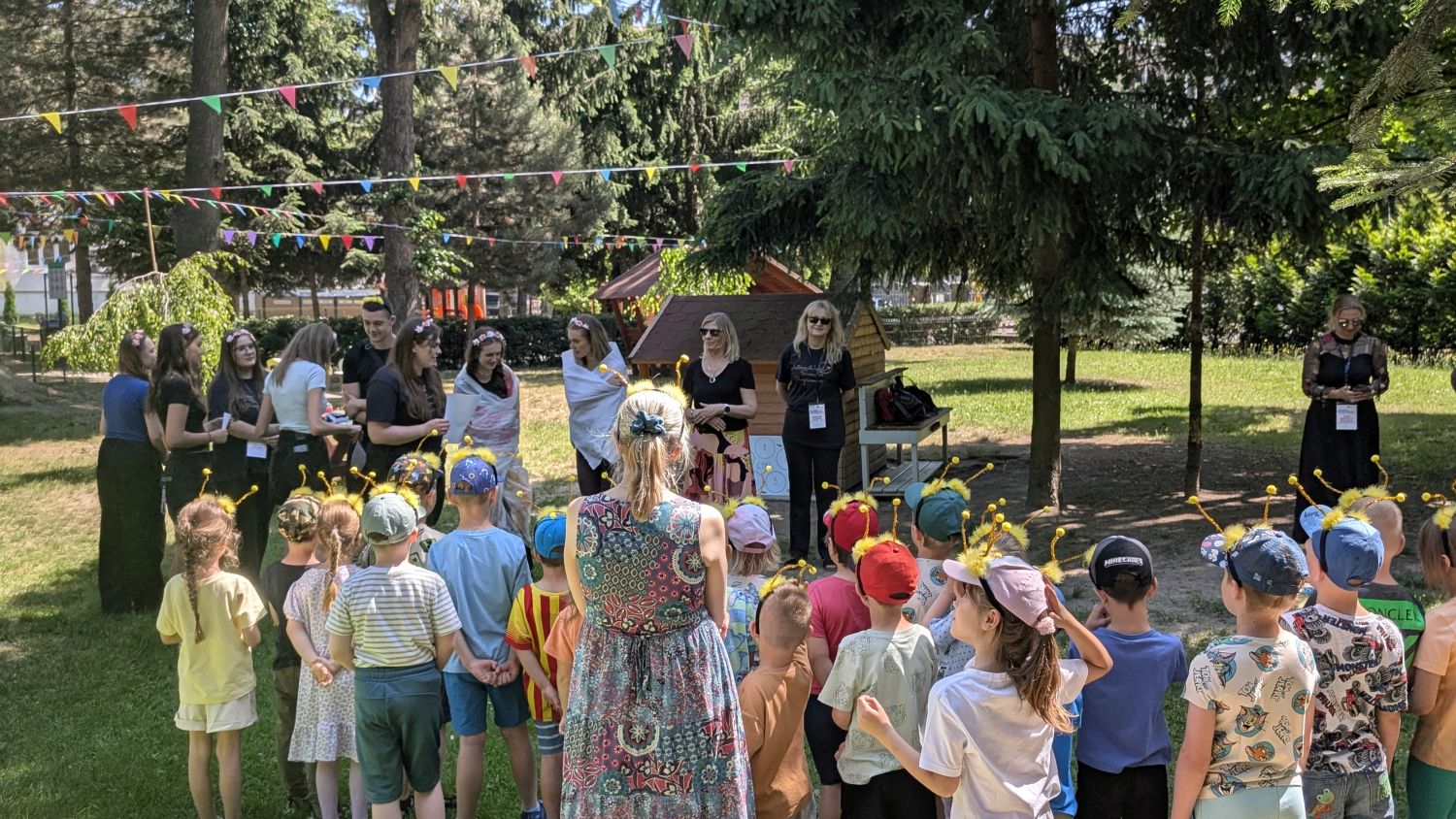
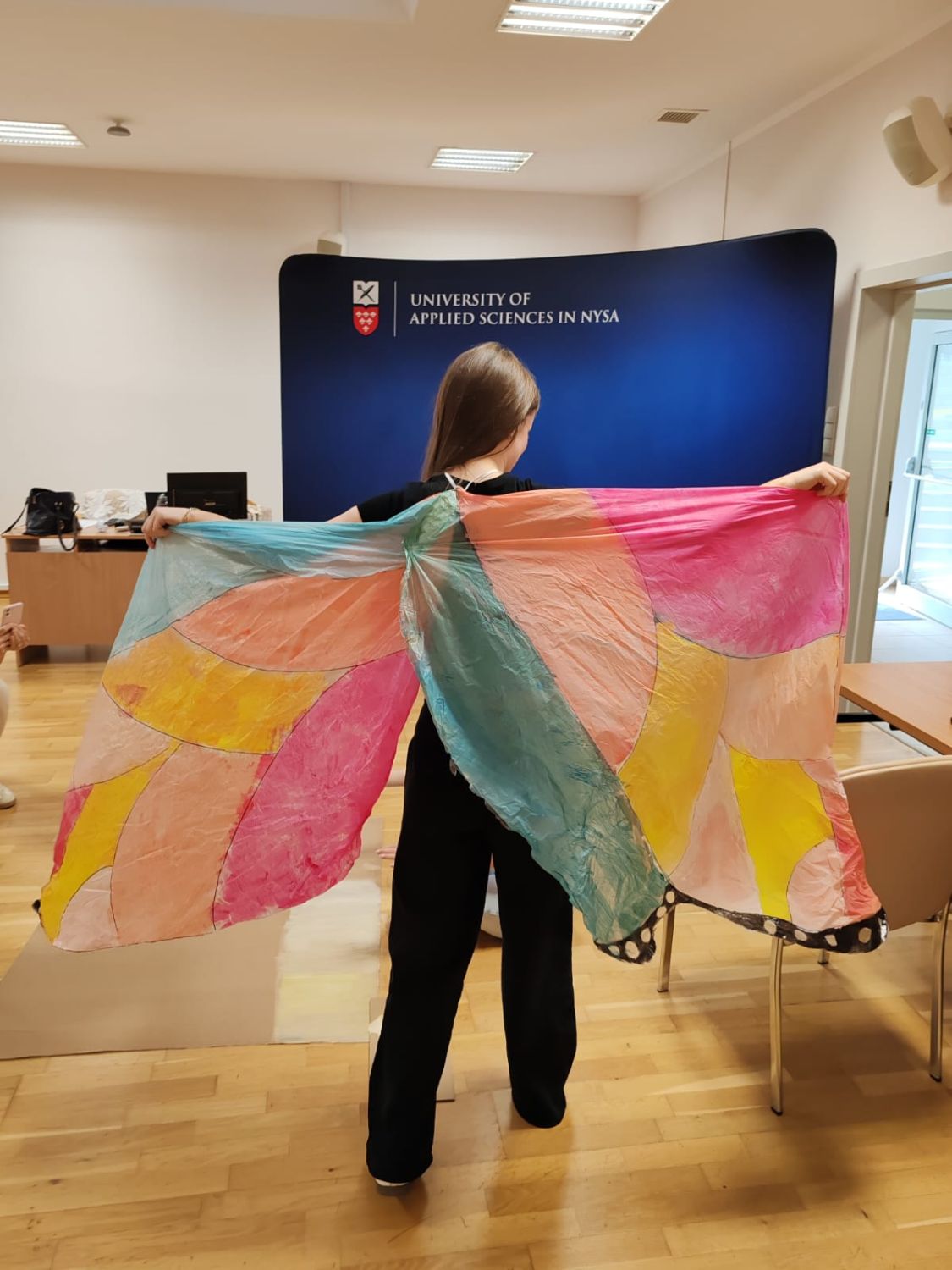
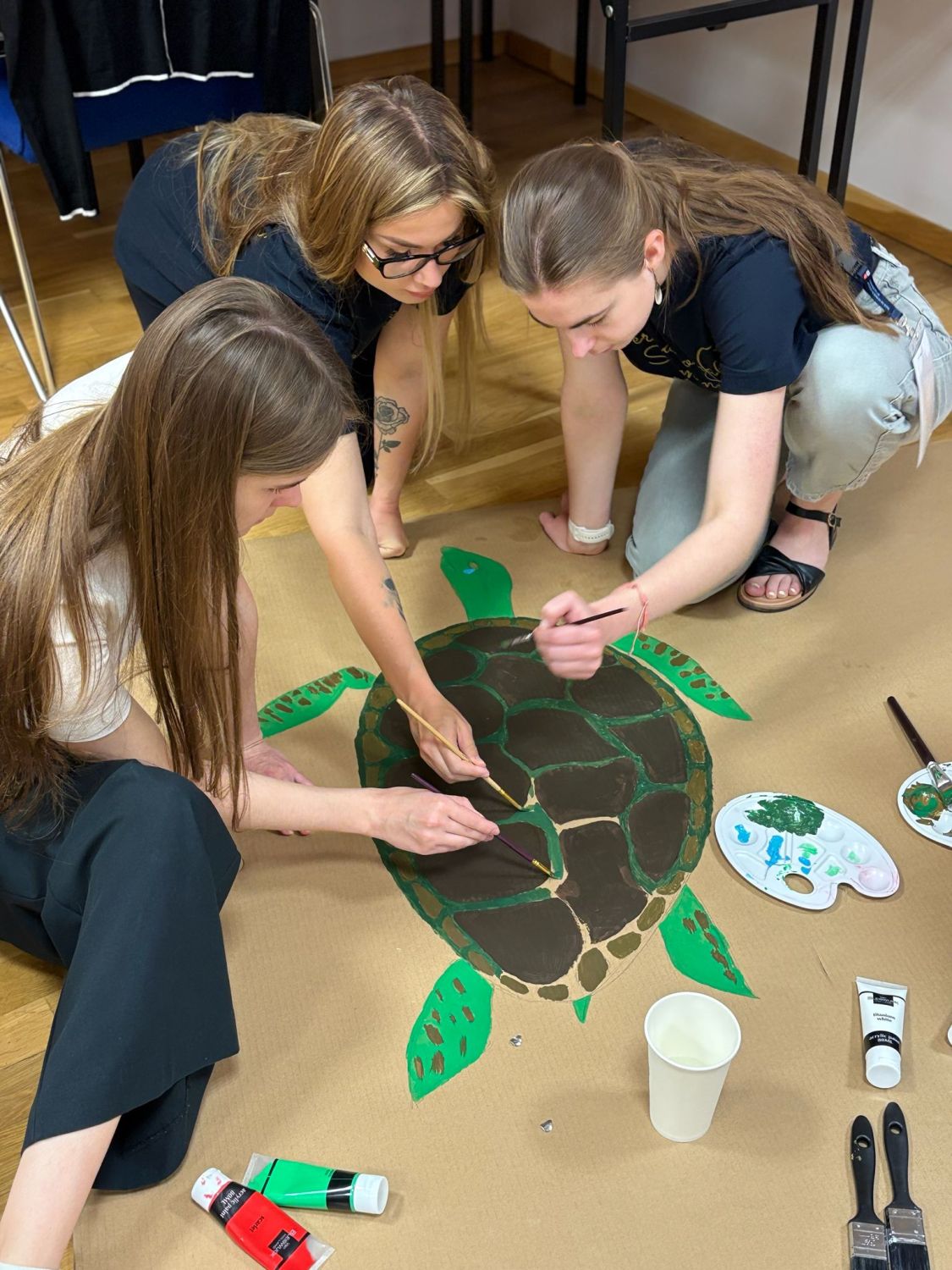
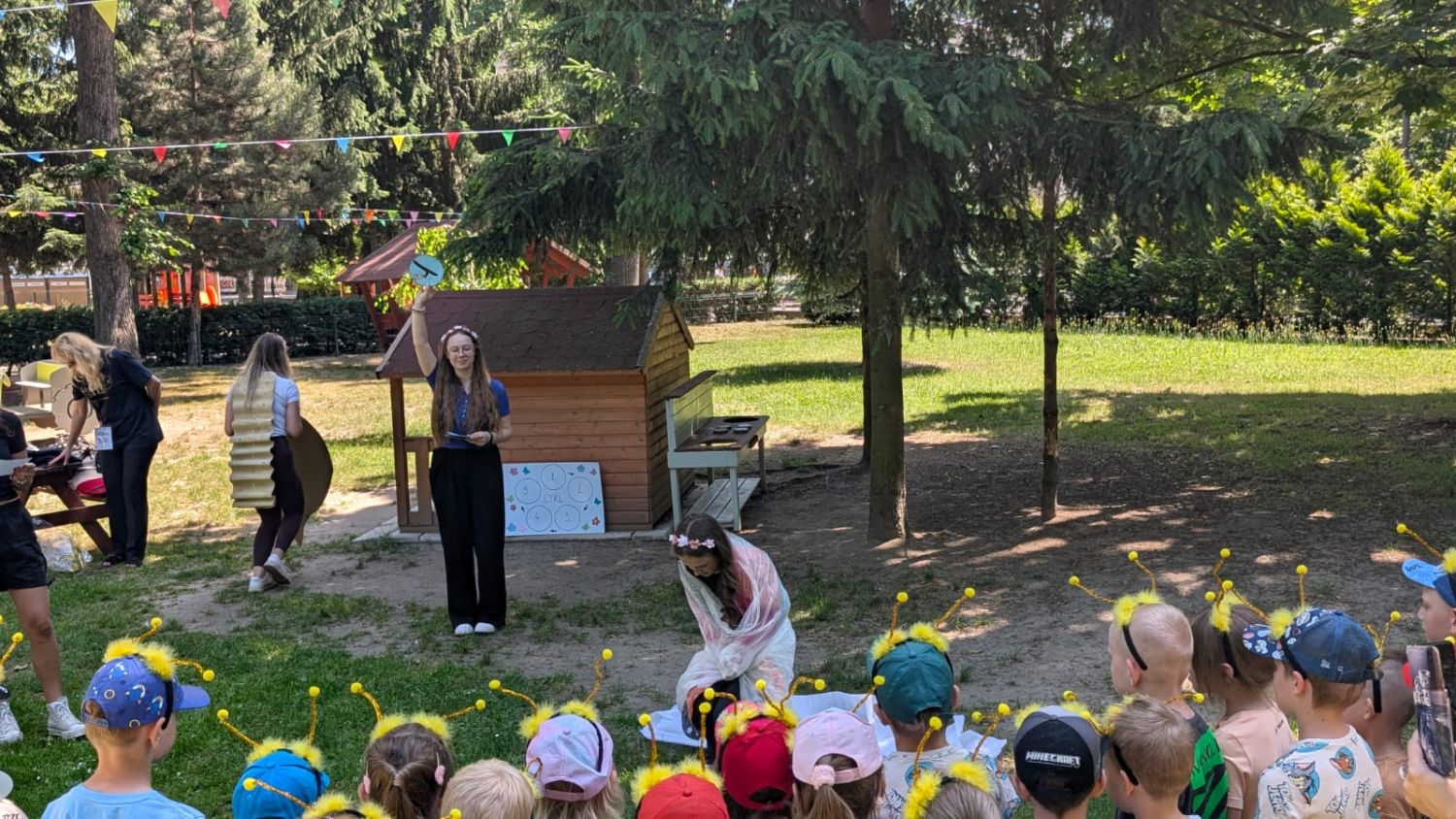
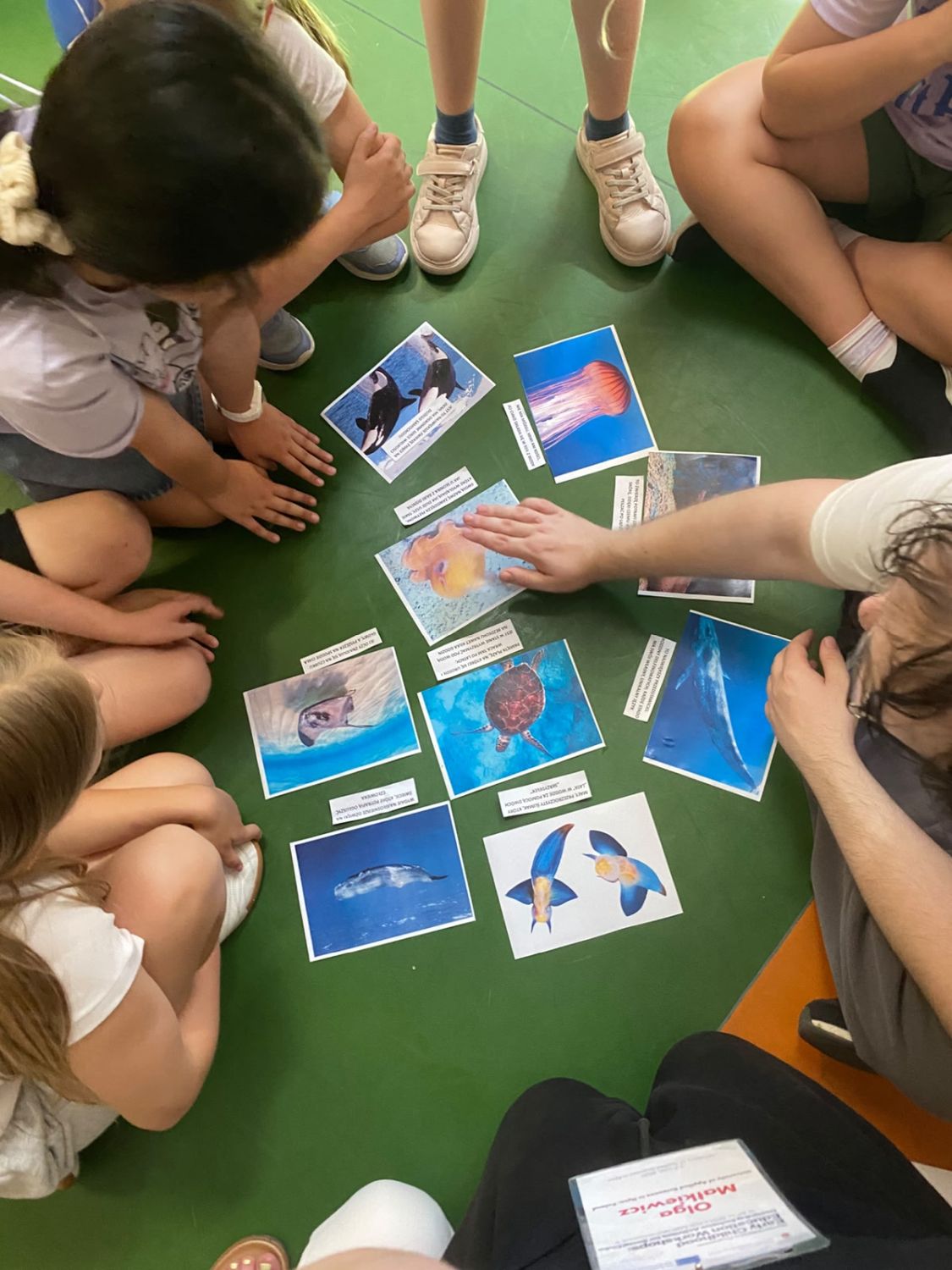
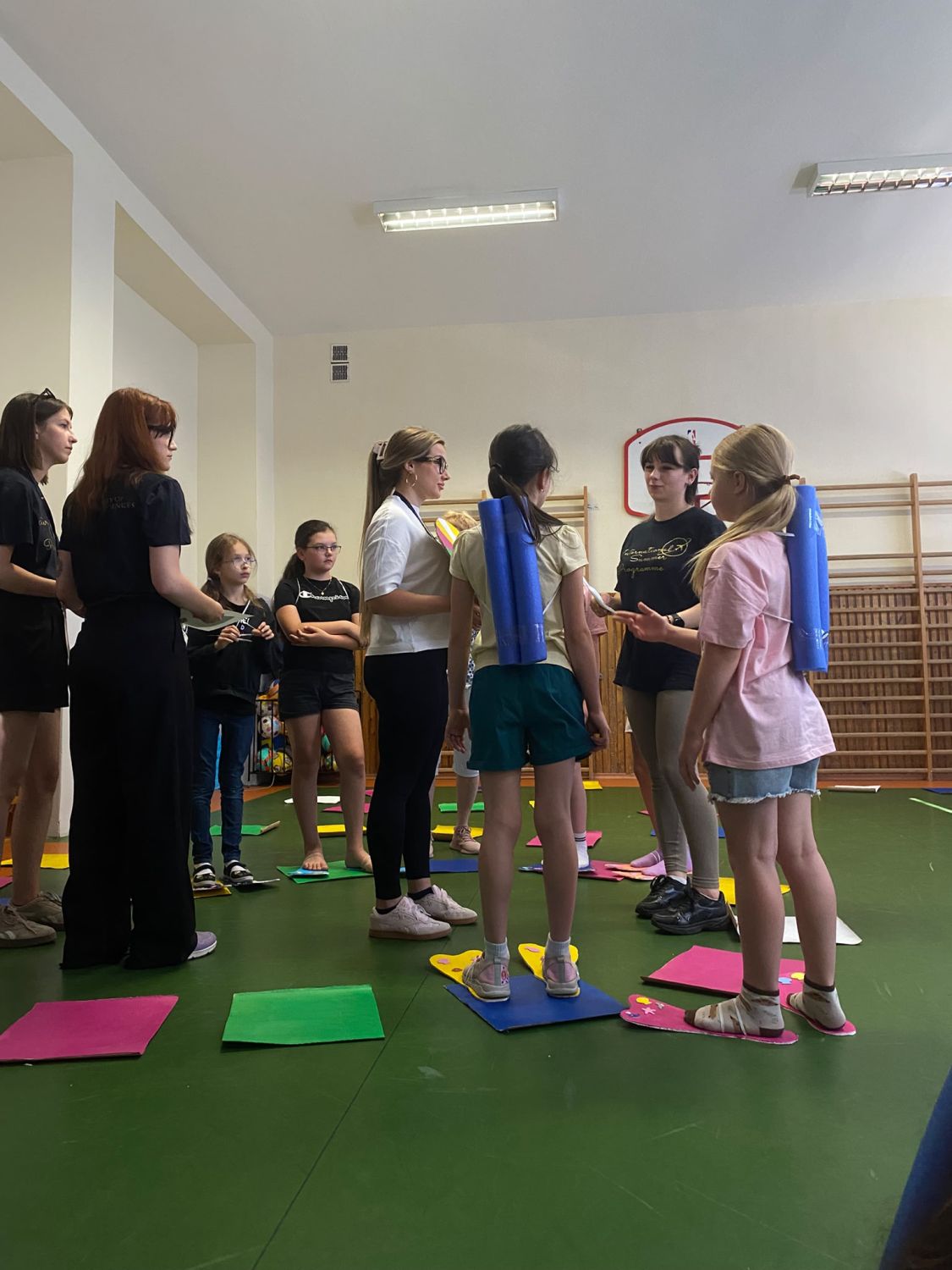
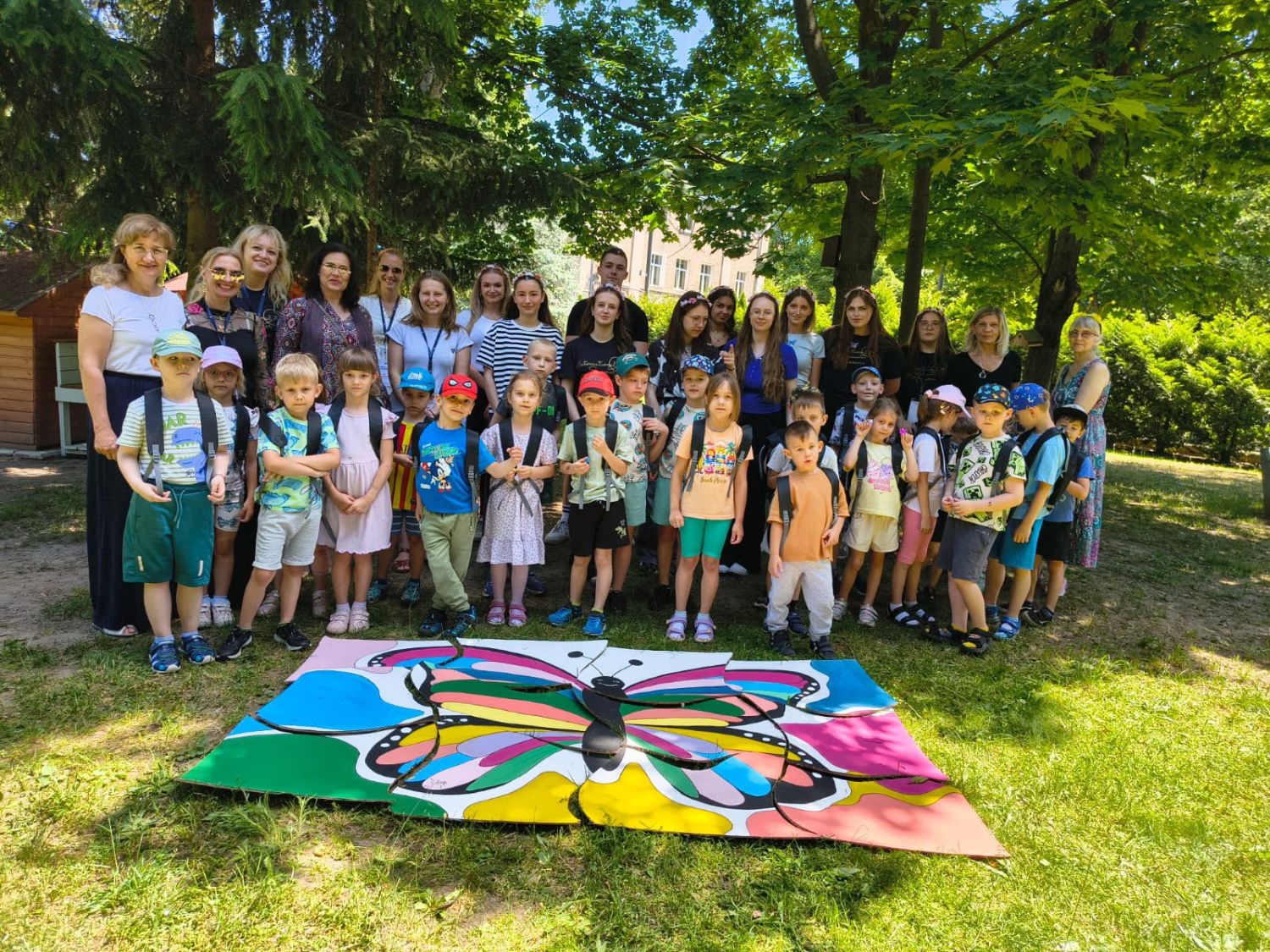
A key element of the programme was the opportunity to test the developed materials in practice. On the fourth day of the project, participants conducted pilot lessons in educational and social institutions in the Nysa district. Activities took place at Primary School No. 1 in Nysa, Kindergarten No. 6 in Nysa, and the Social Care Centre in Nysa. There, the previously prepared scenarios were tested directly in work with children. During the sessions, children took part in nature-themed activities, experiments, educational games, and tasks designed to stimulate curiosity and engagement. The student-designed games focused on topics such as the life cycle of a frog and a butterfly, as well as underwater life in the ocean. The activities were designed to engage children with different abilities and educational needs. After the field activities, students evaluated the implemented sessions, analysing their effectiveness and the level of children’s engagement. The final day of the programme was dedicated to presenting results, exchanging experiences, and summarising learning outcomes. The project resulted not only in the development and testing of innovative educational materials, but also in the enhancement of participants’ professional competences. Students improved skills in lesson planning, teamwork, intercultural communication, problem-solving, and designing activities aligned with the principles of inclusive education. The programme confirmed that international cooperation and direct contact with practice are an extremely valuable component in preparing future teachers for work in contemporary schools and kindergartens.
Galeria